

Published October 3, 2026
Planning a Trip for Two, Five, or Fifteen: What Changes
Group size changes how trip planning actually works — decisions, money, and who books what. Here's what gets harder and what doesn't.
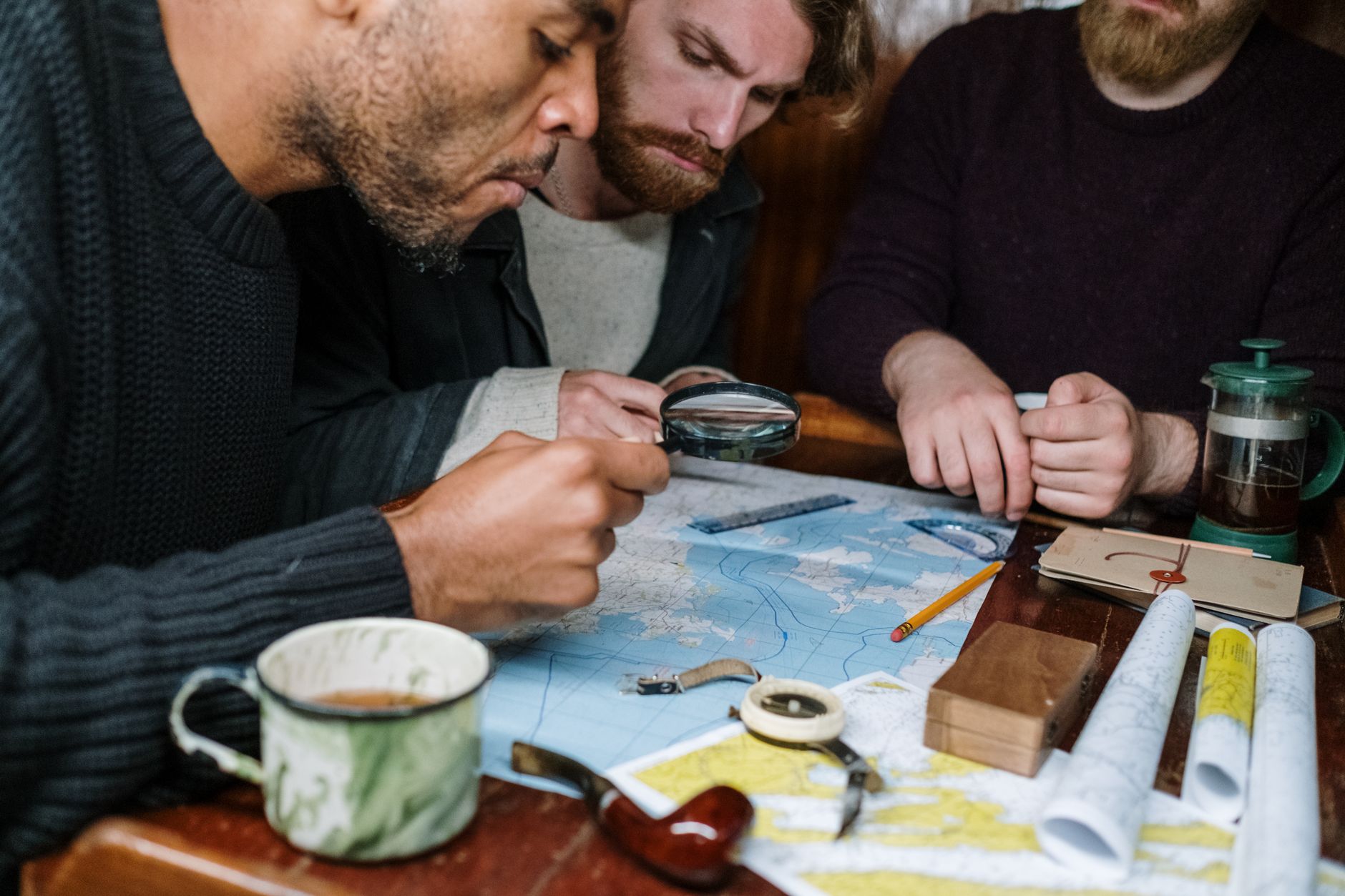
Two people planning a trip can usually sort everything over dinner. Fifteen people planning a trip usually means a group chat with 200 unread messages, three different spreadsheets, and someone who quietly ends up booking the Airbnb because nobody else will commit. The mechanics of travel don't change with group size — you still need flights, a place to sleep, and some idea of what you're doing each day. What changes is everything around those mechanics: who decides, who pays, and who's actually tracking it all.
Decisions get slower, not harder
A couple can agree on a hotel in the time it takes to glance at two phone screens. A group of five has to actually discuss it — maybe someone wants a pool, someone else wants to be near the old town, and now you're negotiating. At fifteen, full consensus on anything stops being realistic. The trips that go smoothly at that size usually aren't the ones where everyone agrees on everything — they're the ones where a few people are clearly in charge of booking the big stuff (flights, the main stay) and everyone else just needs visibility into what's been decided, plus a lightweight way to weigh in on the optional stuff like day trips or restaurants.
Money is where group size actually bites
Splitting a dinner bill two ways is trivial. Splitting a week of shared rentals, groceries, and activity costs across fifteen people who paid for different things at different times is where trips quietly go sour. The honest fix isn't a stricter rule, it's just keeping a running record as you go instead of trying to reconstruct it from memory on the last night. Whoever paid logs it, the app (or the spreadsheet, or the notebook) tracks who owes whom, and nobody's stuck doing mental math at the airport. This is also where Tripperama's expense tab earns its keep at any group size: people log who paid what, split it equally or unequally, and it works out the fewest transfers needed to settle up, whether that's one other person or fourteen.
Who books what
With two people, there's rarely confusion about who's handling what — you just ask. With a bigger group, bookings get duplicated (two people buy museum tickets) or missed entirely (nobody realizes the Tuesday night in the mountain town has no hotel attached to it). Neither problem is really about group size directly — it's about whether everyone's working off the same information. A shared calendar where every flight, check-in, and stay sits on one timeline solves this regardless of whether there are two travelers or fifteen; it's just that the two-person version rarely needed it in the first place.
- Agree early on who has final say over big bookings (flights, main stay) versus what's open to a group vote (day trips, restaurants).
- Settle money as you go, not at the end — a running log beats a group memory test.
- Keep one shared view of the schedule so nobody double-books an activity or misses a gap in the plan.
- Decide before you book: budget range, roughly how many days, and whether everyone travels together the whole time or splits up for stretches.
Where Tripperama doesn't change with size
This is the part worth knowing before you assume a bigger trip needs a heavier tool. Tripperama's roles work the same whether it's two people or fifteen: invite people by link, and they're owner, editor, or viewer. Owners and editors can both add and edit flights, stays, and activities; viewers can look but not touch. Only the owner can remove someone or change a role. None of that shifts with headcount — a trip of fifteen doesn't get extra tiers or a different structure, it just has more people sitting in the same three roles. The activities tab works the same way. Every idea gets one priority — must-do, would-like, or maybe — and a plain vote count anyone can tap to add to. That's true whether three people are voting or fourteen; there's no special tally that splits differently by group size, just more taps on the same list.
The parts that are genuinely easier solo
Worth saying plainly: planning alone is just simpler, and that's fine. You don't need roles or votes if it's only you. Tripperama works the same way for a solo trip — flights, stays, activities, and documents side by side — without forcing you through group features you don't need. The free plan covers every core tab regardless of group size; the two AI features (the reservation scanner and the trip assistant) are capped to a handful of uses per trip on free, with a small monthly account-wide allowance on top, whether you're traveling alone or coordinating a crowd.
Frequently asked questions
- Does Tripperama work differently for a big group versus a couple?
- The core tabs — calendar, transport, stays, activities, documents, expenses — work the same regardless of group size. What changes with a bigger group is how much you lean on roles, voting, and the expense splitter, not the features themselves.
- How do you split costs fairly in a large group?
- Log who paid what as you go rather than trying to reconstruct it at the end. Tripperama's expense tab tracks equal or unequal splits and works out the fewest transfers needed to settle up.
- Who should control the bookings in a big group trip?
- It helps to agree early on who has final say over big items like flights and the main stay, and leave smaller things like restaurants or day trips open to a group vote.
- Can one person be in charge while others just view the plan?
- Yes — Tripperama has owner, editor, and viewer roles. Owners and editors can add or edit content; viewers can see everything but not change it, and only the owner can remove someone or change a role.
- Is Tripperama only useful for group trips?
- No, it's built for either — a solo trip gets the same flights, stays, activities, and documents side by side, just without needing the role or voting features a group would use.